26.92° N · 75.82° E · Jaipur
Meridian
Instruments of the Sky
In the 1720s, Sawai Jai Singh II, the king who founded Jaipur, built a field of stone instruments at the heart of his new city to read the sky.
It is still there: the Jantar Mantar, a World Heritage Site, with one of the largest stone sundials ever made at its centre.
Three hundred years on, these are still the most modern shapes in Jaipur: quadrants, arcs, graduated scales, the long edge of a shadow. They were built to be exact rather than beautiful, and they turned out to be both.
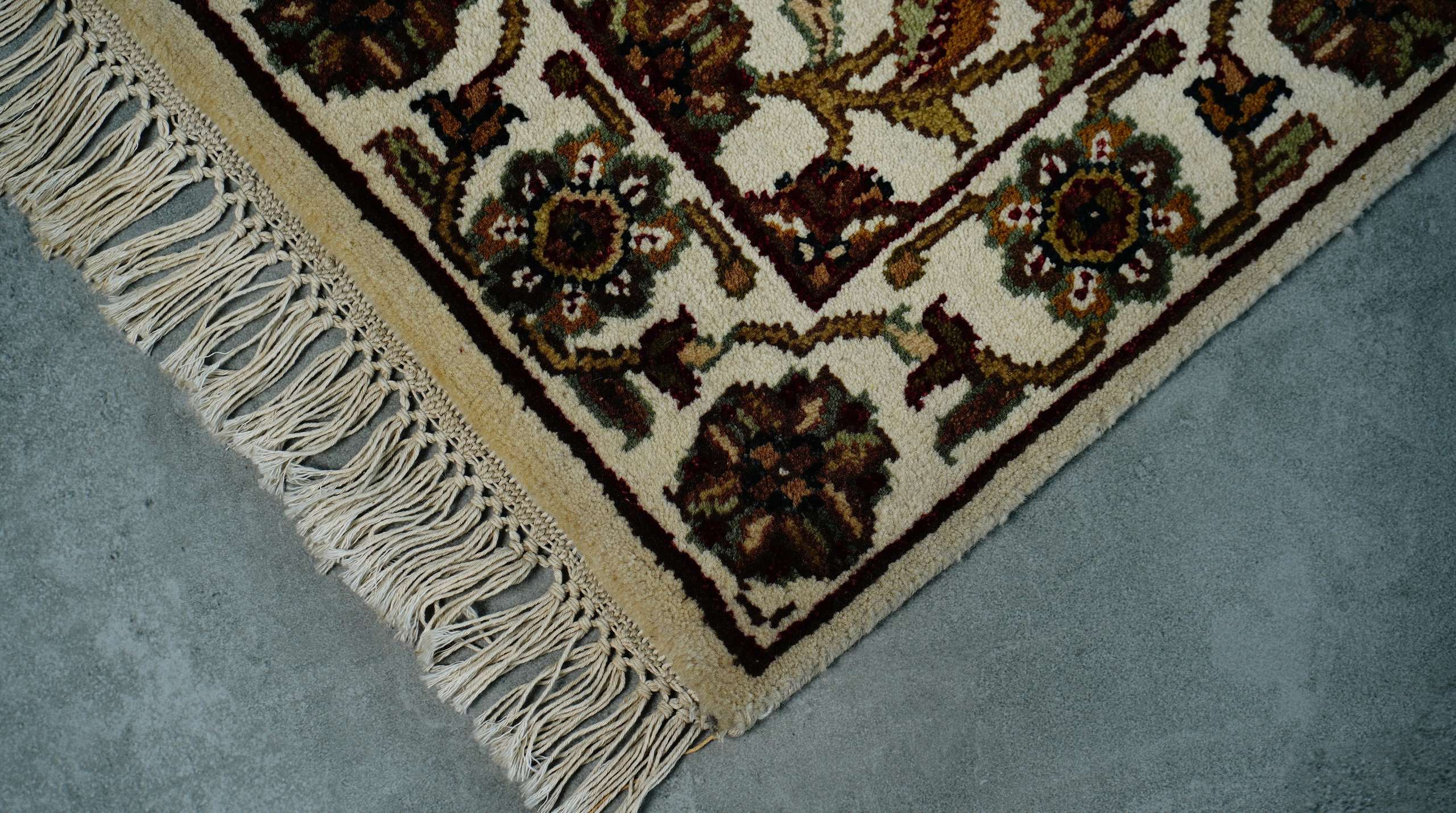
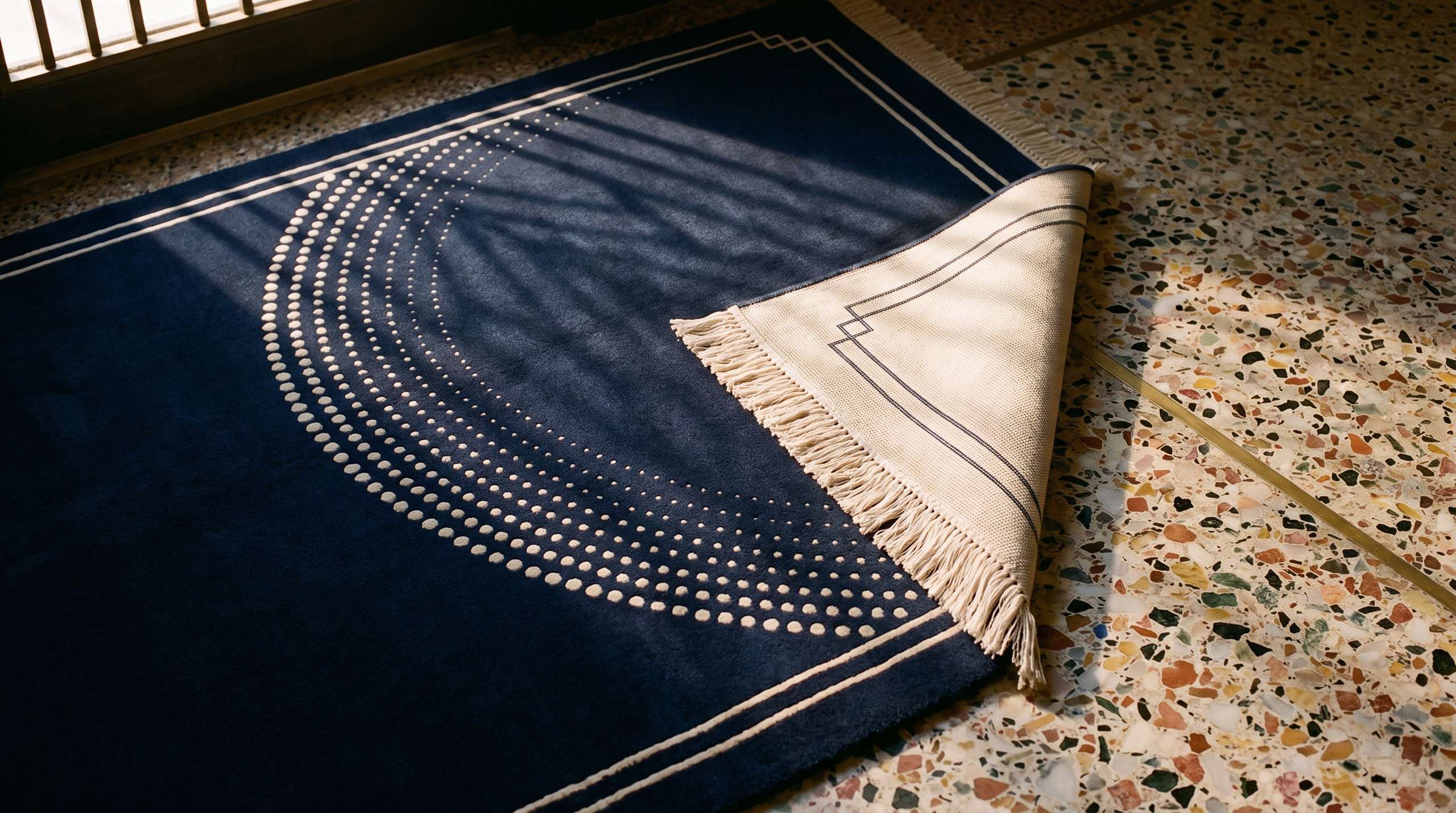
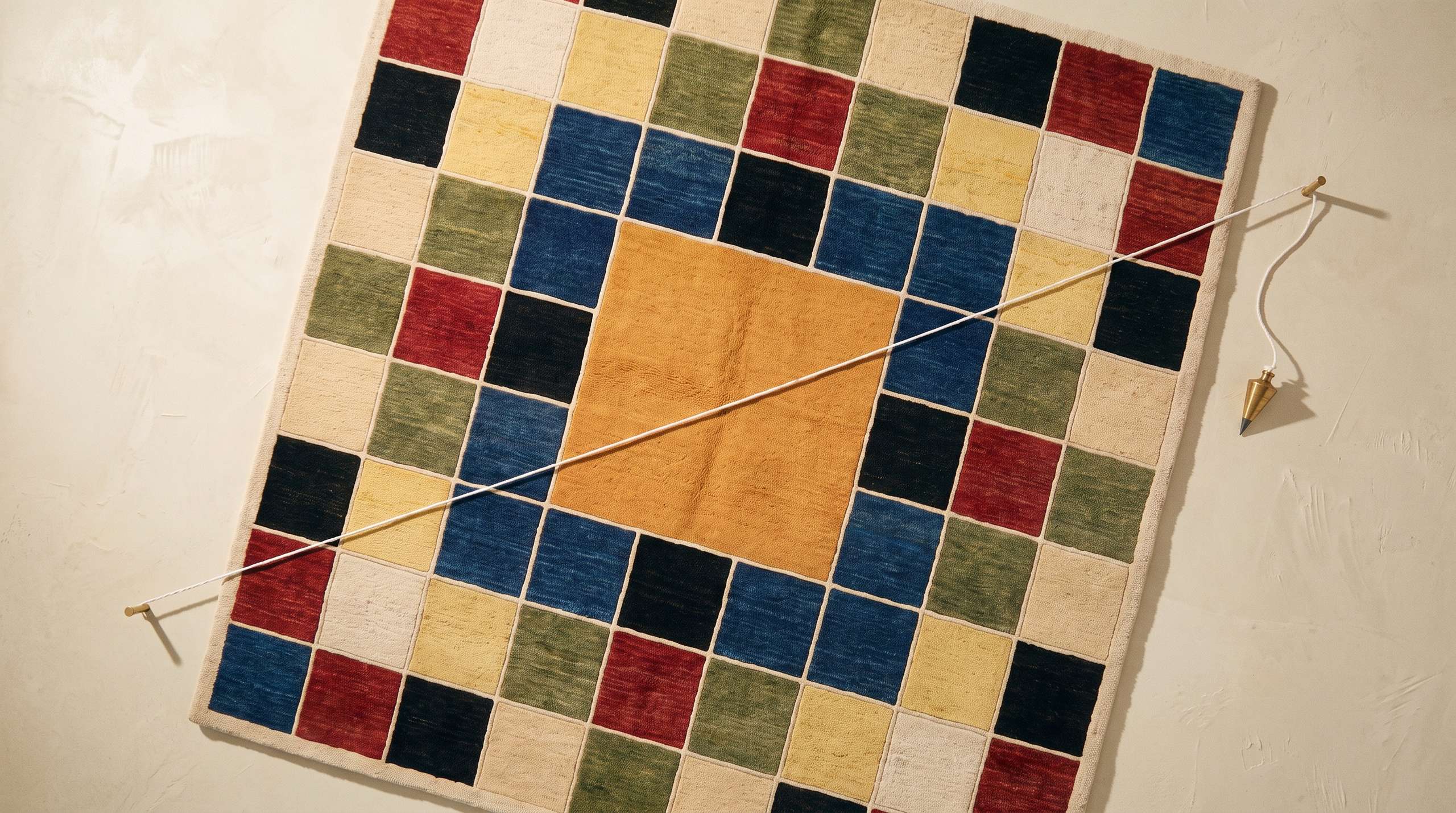
Meridian draws them the way an architect would, with no ornament, and knots them by hand in the same city. There are thirty pieces in three chapters: first light, the hours of shadow, and the sky after dark.
- Pieces
- 30
- Readings
- 03
- Shapes
- 06
- On the loom
- 6 to 10 months on the loom
Reading I · 9 pieces
First Light
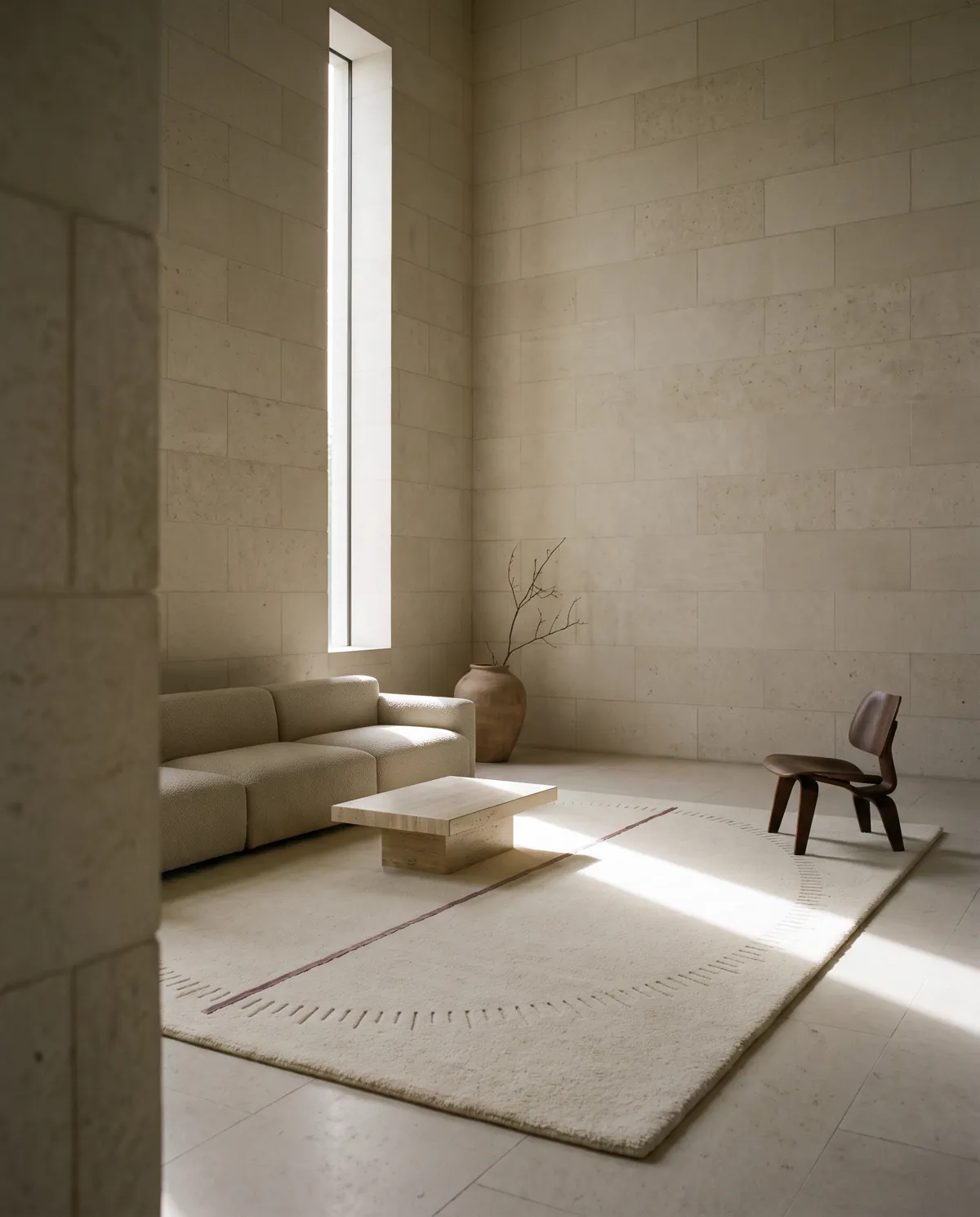
Quiet pieces. One line, one curve, one colour, and the light does the rest.
Reading II · 11 pieces
The Shadow Hours
The geometry of the instruments themselves: quadrants, blades, and the shadows they throw.
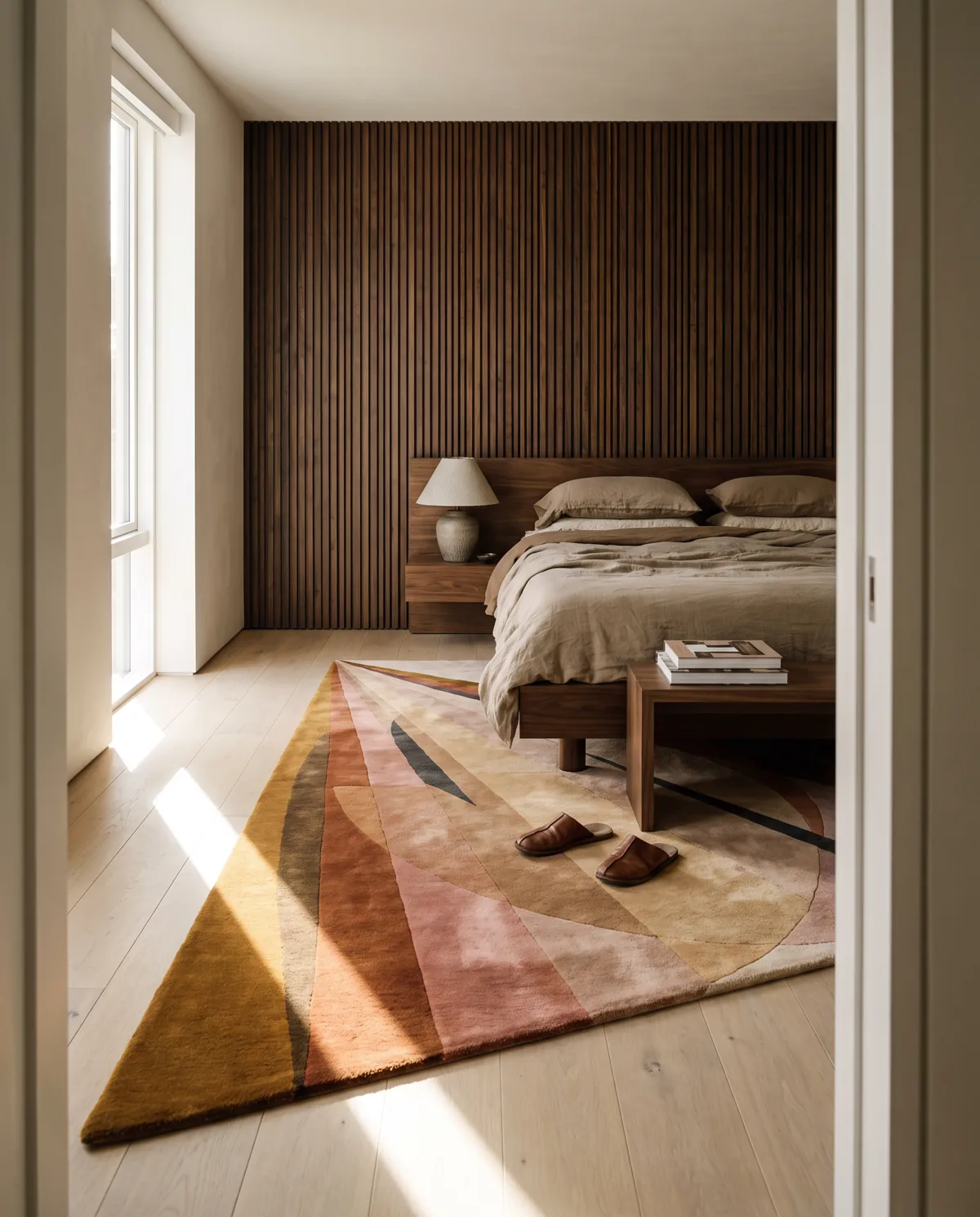
Reading III · 10 pieces
After Dark
The sky the instruments were built to read, in deep colour and silk.
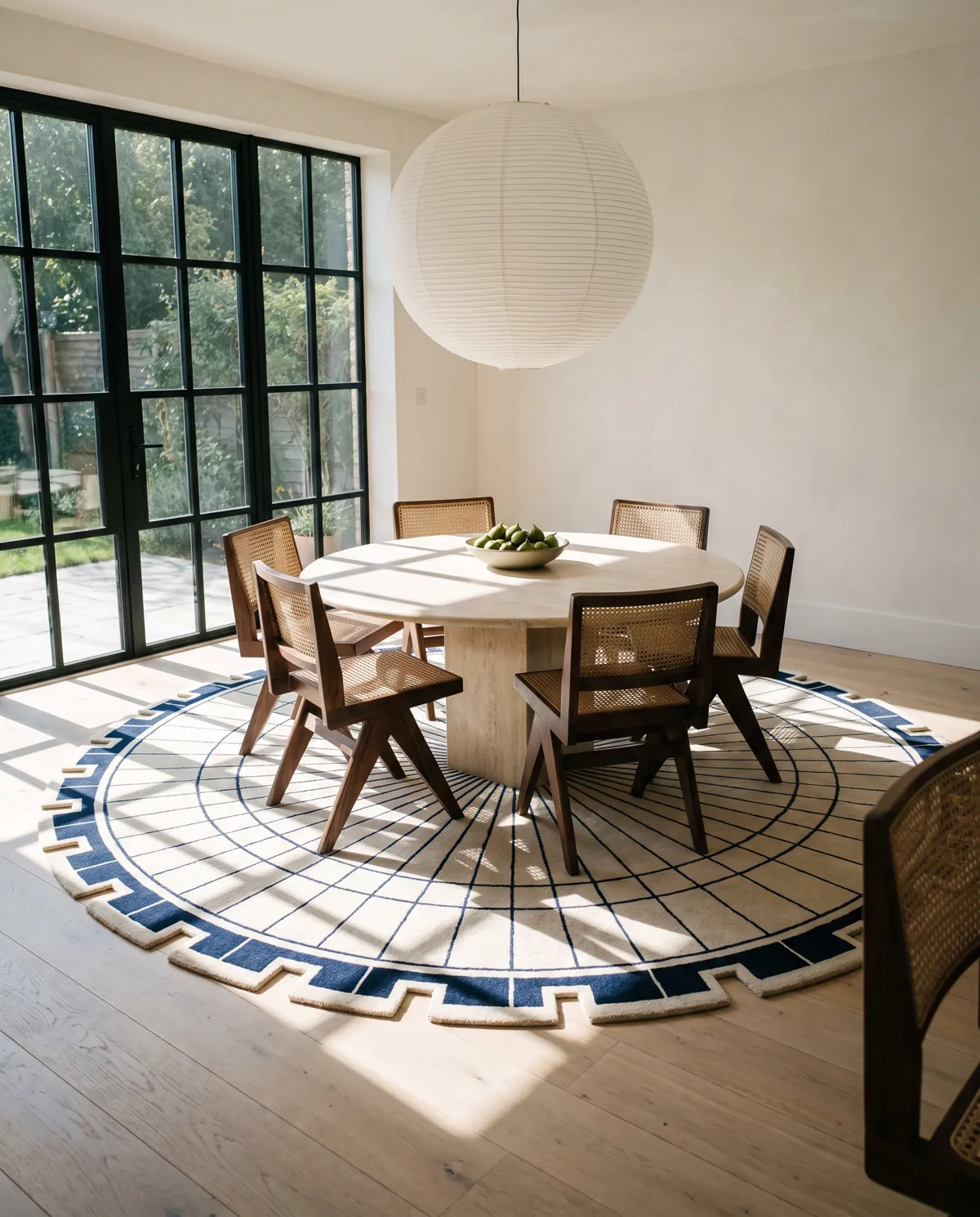
Made to order
Knotted for your room
Every piece is knotted by hand in Jaipur, in the size and colours your room needs. Tell us about the space and we will help you choose.
- Origin
- Jaipur, Rajasthan
- Materials
- Hand-spun New Zealand wool with mulberry silk accents, cotton warp
- Density
- 6 to 14 knots per inch
- Lead Time
- 6 to 10 months on the loom
Shown as a rendering. Woven to order in Jaipur.